

Apple Vision Pro vs Disney's Alien TV Series, Tesla Drive-In Movies, & Luxury Blockbusters
Inside Marvel’s retro revival, FX's immersive push via Apple, and the uncertain future of what it means to ‘watch’ a movie.
Marvel’s Fantastic Response to DC’s Superman
Happy Fantastic Four: First Steps release day in the U.S.! Early reactions from reviewers and preview audiences alike are very strong, so it looks like the retro-futuristic approach and adding dramatic heavyweights like Pedro Pascal (The Last of Us, and every other movie in theaters lately) and Vanessa Kirby (Mission: Impossible, The Crown) worked. Likewise, the big spending on marketing appears to be money well spent, as AMC is offering Galactus and H.E.R.B.I.E. popcorn buckets, Regal Cinemas is selling a Fantasticar replica bucket, and Alamo Drafthouse has Fantastic Four pint glasses available.


During early screenings in Los Angeles for influencers, attendees were even given old-school View-Master devices to check out 3D images from the film. The comparisons to Superman’s recent $125 million opening are inevitable, but Marvel watchers should brace for lower numbers given the troubled past of the Fantastic Four movie franchise and a superhero brand with far less name recognition among non-comicbook devotees.
Disney Collabs with Apple Vision Pro on Alien Franchise
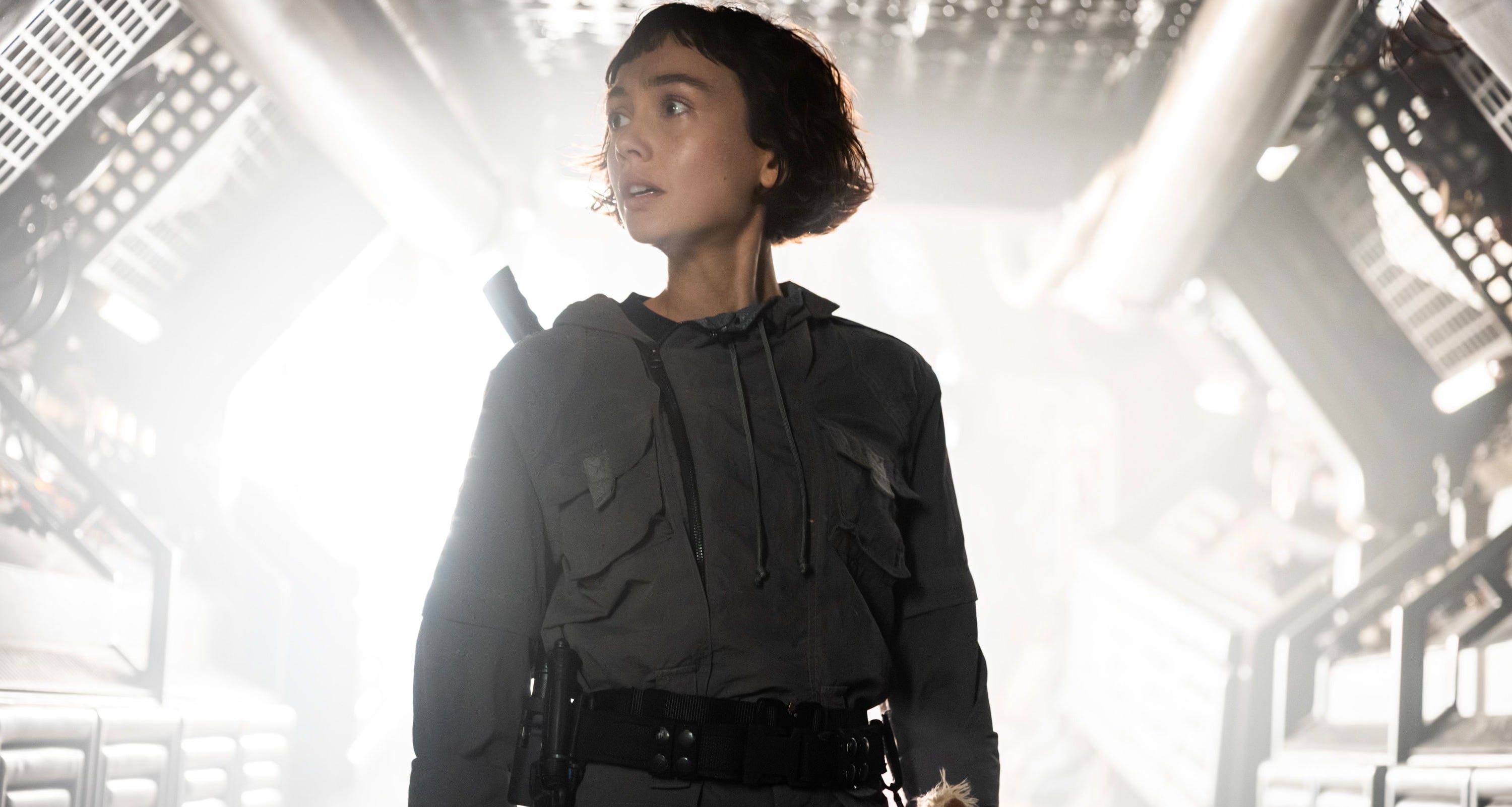
Disney’s FX Network is similarly pulling out the promotional stops for its Alien: Earth television series, which is based on the Alien film franchise.
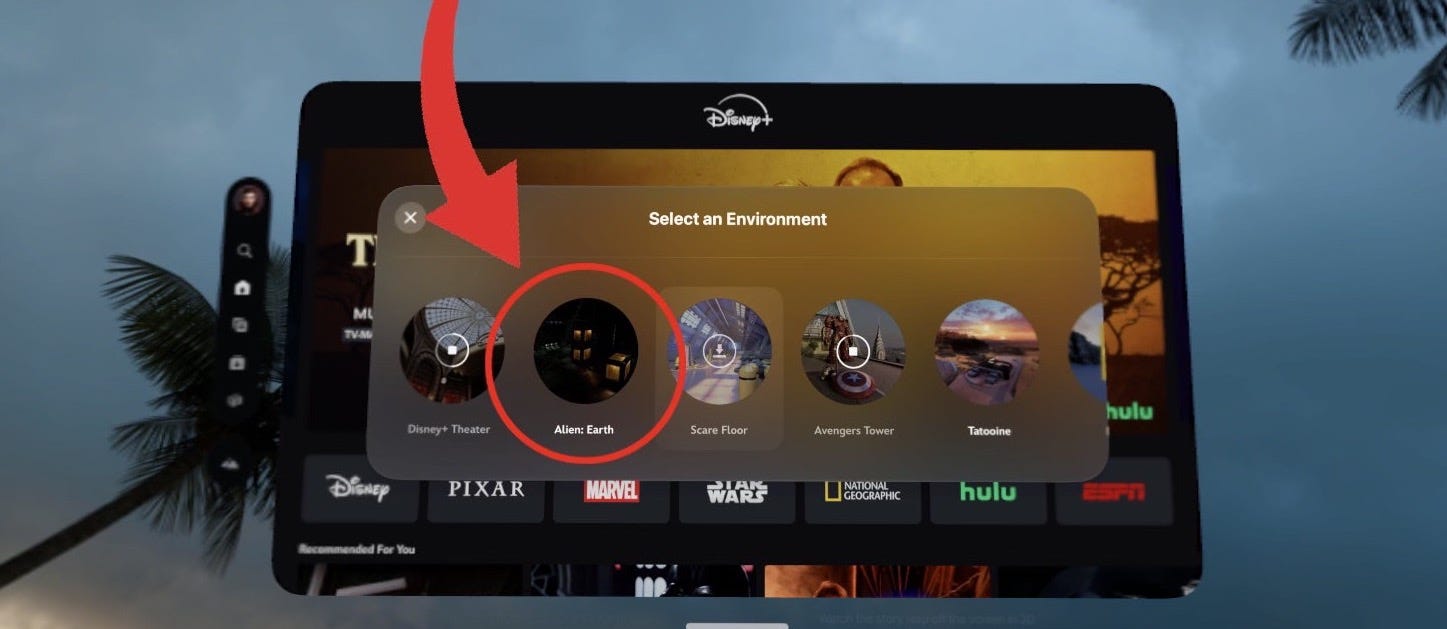
This week, the studio quietly launched a new Alien: Earth immersive environment in the Disney+ app on the Apple Vision Pro, which puts the user inside the Containment Room on the USCSS Maginot. And yes, there’s a Xenomorph involved.
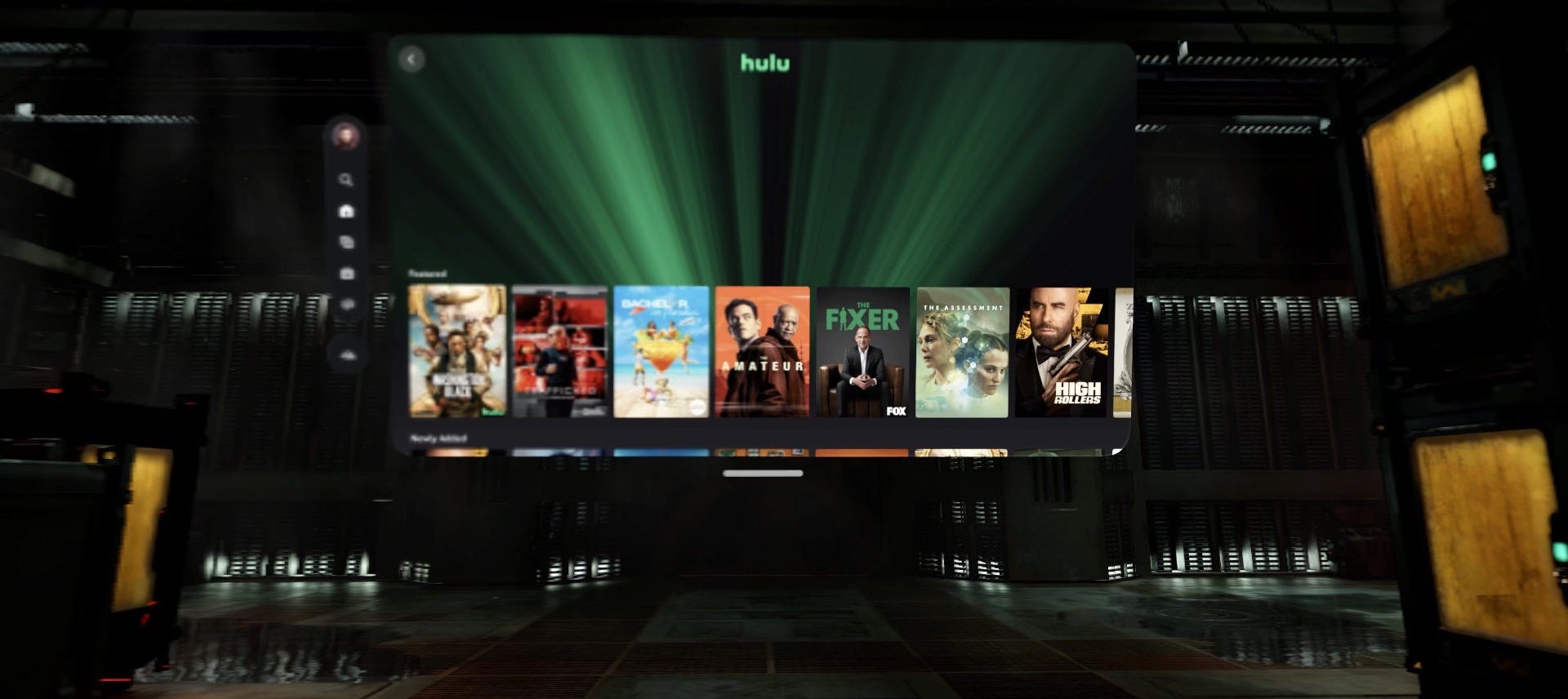
The creature actually moves around the space, which is the first time I’ve experienced any character animation in the Vision Pro’s movie/TV-based immersive environments.
The inclusion of this immersive experience is a big deal on the Disney+ app. Previously, there were only five immersive environments available, all devoted to Disney’s biggest brands, so putting Alien: Earth in this hallowed company indicates the studio is expecting big things.
However, that upward trajectory experienced a bit of turbulence this week as the lead actress, Sydney Chandler, decided not to participate in the cover story for Variety due to disagreements with the format. Ultimately, Variety put her co-star Timothy Olyphant (Justified) and showrunner Noah Hawley (Fargo, Legion) on the cover without her. The result? Variety gave newcomer Chandler (daughter of Kyle Chandler, Friday Night Lights) a good old Hollywood roasting.
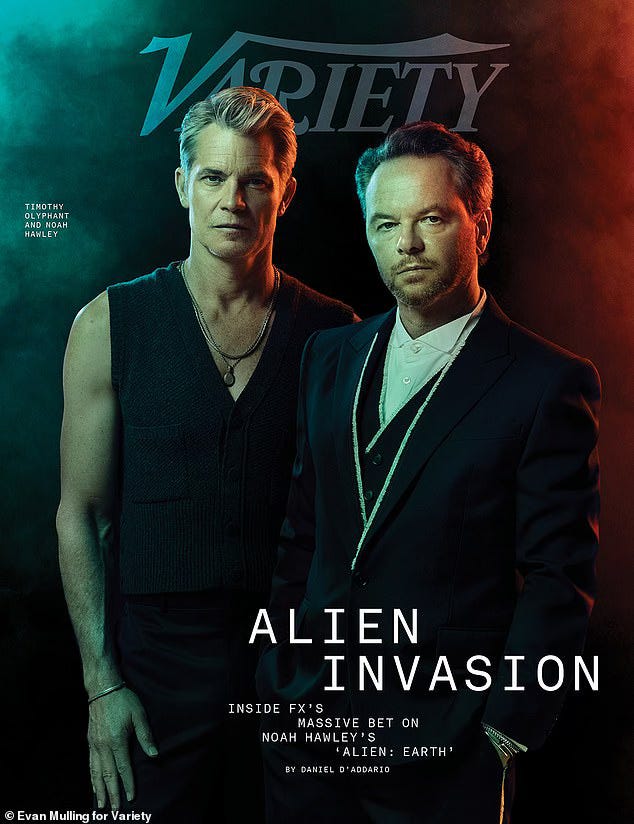
Despite that, the publication gave the show a mostly favorable review for the series, which launches Aug. 12. With Disney putting its franchise in the hands of a relative newcomer who has already fumbled a major launch interview and cover story, if Alien: Earth does win audiences, we may be in for a new lead in Season 2.
Can Tesla Bring Back Drive-In Movie Theaters?
I don’t plan on covering the Muskiverse here too often, but his new Tesla Diner, which opened in Los Angeles this week, deserves mention for its drive-in movie theater-style outside screening space and Tesla robots that served opening-day customers popcorn stuffed into special Tesla-brand buckets.
When you actually order a full meal (burgers, hot dogs, etc.), the human waitress arrives via rollerskates, just like we’ve seen in those old ’50s movies, which thematically matches the retro-futuristic design of the entire restaurant. Why food? Well, along with the movie screens and robots, the location is also equipped with a large bank of Tesla charging stations where drivers can let their electric cars recharge as they eat and watch whatever’s playing on the cinema screen.
If this dynamic does well in Los Angeles, we could see Tesla strategically populate the rest of the U.S. with Tesla Diners. So far, there’s already a second location planned for Starbase, Texas, near the SpaceX headquarters.
Apple's F1 Movie and the Future of Cinema
What Apple Studios has done with its launch of F1 in theaters establishes that the studio is indeed playing among the big boys in Hollywood, and not limited to streaming. F1, starring Brad Pitt, who is back in movie star mode as opposed to his war-weary look in his previous Apple film, Wolfs, with George Clooney, delivers his usual iconic star power sizzle while ushering in the worthy talents of newcomer Damson Idris (Snowfall).
Deliberately keeping the film off of Apple TV+ while it plays in theaters is not just an Oscar play, but also a test of Apple's reach. It’s also a real-time measurement as to whether their commitment to building a studio in Culver City, Los Angeles, is the forward-thinking move that they believe it to be. In particular, it will be interesting to see how the film is rolled out on Apple TV+, given how many scenes are shot from a first-person perspective, behind the steering wheel of the vehicles, which immediately raises the possibility that this might be one of Apple's first big immersive films released on the Apple Vision Pro.
Despite the Apple Vision Pro’s relatively meager sales, those who have held onto the device rave about it as the perfect way to watch a film. I use it at least three times a week as a stand-in for a personal luxury screening room. During a recent outing to see Ballerina (the John Wick spin-off) at the Alamo Drafthouse in Brooklyn, I spent half my time background processing the subtle differences between movie watching in Alamo's near-perfect in-person venue versus watching films on the Vision Pro.
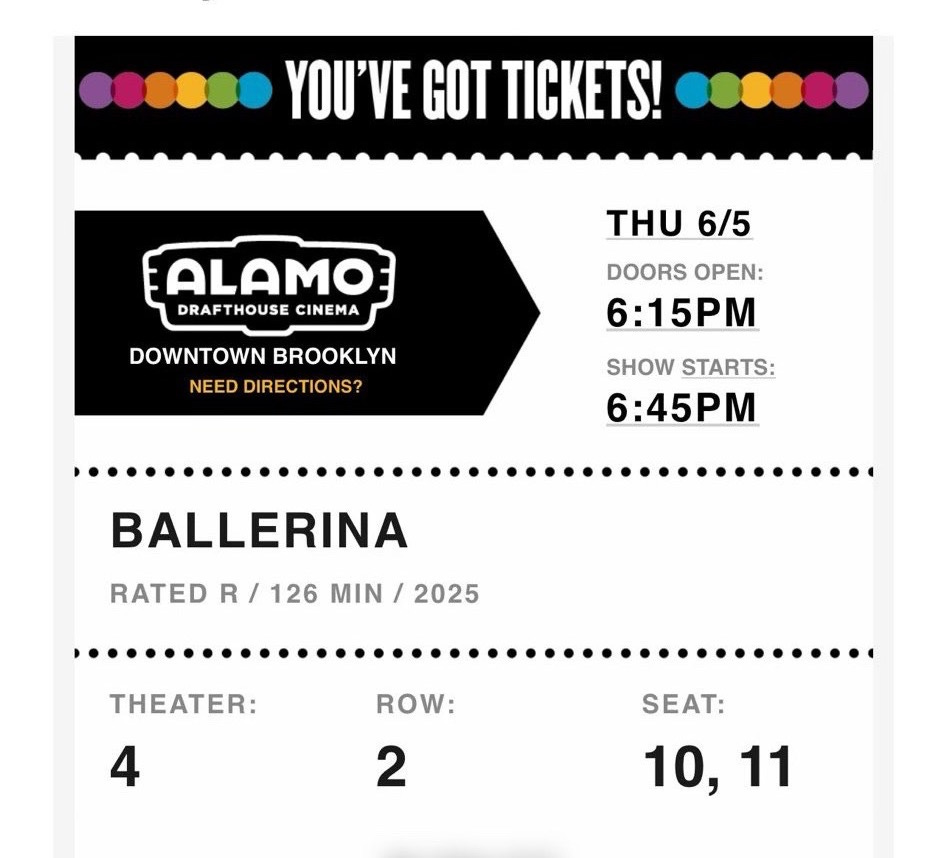
I noticed that—now that I’m accustomed to Vision Pro movie watching—I was a bit self-conscious about turning my head to take in the whole image at the Alamo Drafthouse on its expansive screen. Instead of a subtle tilt of my head in the Vision Pro to view the entire screen, I was conscious of physically moving my head right and left to process the various action scenes. Better? Worse? I would say neither. The in-person experience and Vision Pro experience are, for now, still fundamentally different, each with its own merits.
Of course, with the visionOS 26 update, which enables increasingly realistic Vision Pro avatars that allow two users to watch the same film or TV show in the same virtual space, the gap between Vision Pro-based immersive viewing and in-person experiences will shrink even further. For now, what I came away with is that the main draw for watching a film in person is still the social experience, not the visual fidelity.
The Dawn of Luxury Moviegoing
So you have the stack of cash needed to buy the Vision Pro, but you still prefer meeting movie friends in meat space? Then, Alamo Drafthouse founder Tim League’s new venture, Metro Private Cinema, might be exactly what you’re looking for.
This is what I will call the elite “night at the opera” version of the existing Alamo Drafthouse model, which lets you recline in a comfy seat while a waiter brings you food and drinks. In this iteration of the theater-going experience, set to launch on Sept. 1st in the Chelsea section of Manhattan, New York, customers will be able to book private screening rooms of four (for $200) to 20 (for $1,000) seats, all private and with the same food service amenities, but with even better food that is occasionally themed around the film release.
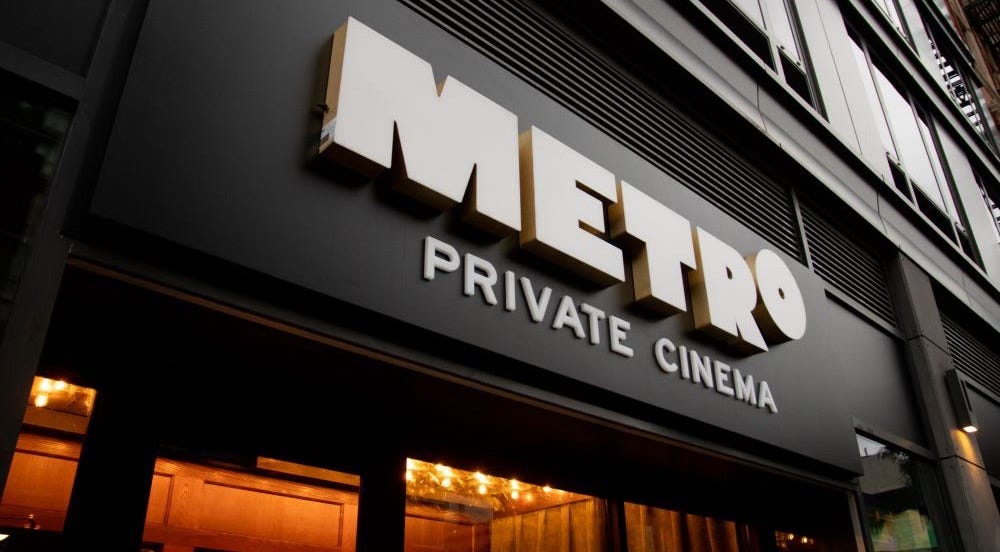
Local New Yorkers know that the original location of the Metro was likely going to be on the Upper West Side on Broadway and 99th street, ensconced among the more context-appropriate well-heeled upper crust of Manhattan, rather than in the comparatively gritty, Madison Square Garden (rowdy Rangers and Knicks fan overflow territory) adjacent Chelsea district.
The fact that League and his new partner Sony are launching this now, as we approach the beginning of the AI film era, and many people are watching films and television shows on their laptops or, at best, on their big screen TV at home, signals that they’re betting on a future that places a premium on social interaction in-person.
Am I sure? No one can be. This is the most uncertain time in entertainment history, far more than the transition from film to digital and from DVDs to streaming. But as I watch tools like Google’s Veo 3 and others begin to generate video that is indistinguishable from reality, one has to start considering where the line is. How do we differentiate between real and artificial?
The only outstanding question is: Will we even care about the differences between AI-generated video and real video? Making a bet on that is like wagering on the human soul. Are we machines covered in flesh, or are we more than that, at least in our minds (whatever the "mind" is)? This is where we are headed, and these are the questions we will inevitably face because of AI. Which bet are you making?
© 2025 Mars Magazine. All rights reserved.